
Caraibi Quando Andare: Mese per mese
The Caribbean comes in a thousand shades of turquoise—from the shallow sandbanks of the Bahamas to the volcanic coastlines of the Lesser Antilles. But as spectacular as it is, the region follows clear seasonal rhythms—trade winds, tropical showers, dry spells, and the possibility of storms—that can shape every trip. Knowing when to go turns a good vacation into a truly smooth one. This caraibi quando andare mese per mese guida 2026 helps you navigate the seasons, weigh trade-offs, and pick the right island in the right month.

At Isole Bahamas, we interpret Caribbean seasonality with on-the-ground experience. Whether you’re drawn to the Bahamas’ crystal-clear shallows, the cultural depth of the Greater Antilles, or the volcanic character of the Lesser Antilles, we help you choose months and destinations that match your travel style. If you’re planning a Caribbean trip in 2026 and want a curated view that balances weather, crowds, and authentic island life, contact our team for a personalized proposal based on your dates and preferences.
Quick answer: best months, shoulder season, and months to be cautious about
Before diving into the month-by-month detail, here’s the essential framework for planning your 2026 Caribbean trip:
- Best months (dry season): December through April. Calm seas, minimal rain, and reliably sunny skies across most of the region. Expect higher demand and premium pricing, especially around holidays.
- Shoulder months (transition periods): May, June, and November. Weather is often still favorable, crowds thin out, and rates soften. Early summer can be excellent in certain destinations; late autumn marks the return of drier conditions.
- Months to approach with care (rainy and hurricane season): July through October. This is when tropical storm activity peaks, particularly in the northern Caribbean. Rain is more frequent, humidity climbs, and itinerary flexibility becomes essential. That said, some islands—especially in the southern Caribbean—remain viable with the right planning.
This guide will walk you through each month in detail, but this quick summary offers a starting point for your decision-making.
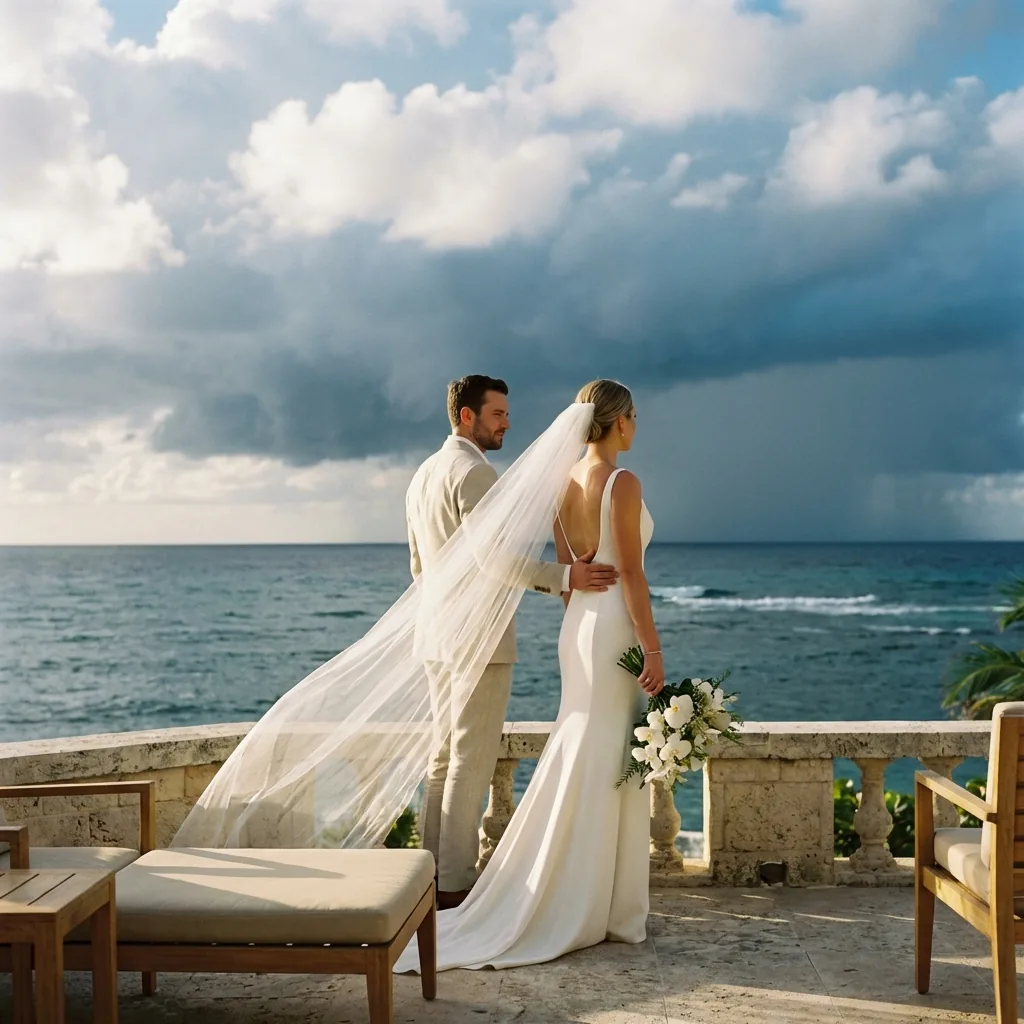
Caribbean seasons explained: dry season, rainy season, and hurricane risk
The Caribbean’s climate is shaped by two dominant patterns: the dry season and the rainy season. The dry season, roughly December through April, is defined by steady trade winds, lower humidity, and minimal rainfall. Skies are reliably clear, seas are calm, and the light takes on that crystalline quality that makes the region so photogenic. This is when the Caribbean feels most effortless.
The rainy season, from May through November, brings warmer temperatures, higher humidity, and afternoon showers that can be brief or sustained depending on the island and the month. Rain doesn’t mean the region shuts down—far from it—but it does introduce variability. The most significant concern during this period is hurricane season, which officially runs from June 1 through November 30, with peak activity in August and September. Tropical storms and hurricanes are relatively rare events for any single island in any given year, but the risk is real, and it shapes travel planning.
If you’re considering the Bahamas specifically, their Atlantic position means they often follow seasonal dynamics similar to much of the wider Caribbean—with a few nuances. Our Bahamas climate guide explores these patterns, while the page on hurricanes in the Bahamas helps you understand what to expect and how to prepare. We treat seasonality as part of the islands’ natural rhythm and plan accordingly.
Want a 2026 itinerary built around your dates (with a realistic Plan B if weather turns variable)? Contact us: we’ll help you choose islands and timing with a practical approach to risk management.
Not all Caribbean weather is the same: Greater Antilles vs Lesser Antilles vs Bahamas
One of the most important insights in this 2026 planning guide is that the Caribbean is not a monolith. Weather patterns, hurricane exposure, and seasonal timing vary significantly depending on where you are in the archipelago. Understanding these regional differences allows you to make smarter choices about where to go and when.
The Greater Antilles—Cuba, Jamaica, the Dominican Republic, and Puerto Rico—occupy the northern Caribbean. These larger islands experience a pronounced dry season and are more exposed to hurricane activity during the late summer and early autumn. They offer rich cultural texture, colonial architecture, and dramatic mountain interiors, but timing matters. December through April is ideal; July through October requires flexibility.
The Lesser Antilles, stretching from the Virgin Islands down to Trinidad and Tobago, are smaller, more volcanic, and more varied. The northern islands (Antigua and Barbuda, Saint Kitts and Nevis) follow a similar seasonal pattern to the Greater Antilles. The southern islands—Barbados, Trinidad and Tobago, and the ABC islands (Aruba, Bonaire, Curaçao)—sit below the main hurricane belt and enjoy drier, more consistent conditions year-round. Aruba, in particular, is a summer-friendly outlier.
The Bahamas, technically part of the Atlantic rather than the Caribbean Sea, share many of the same seasonal rhythms but with their own character. The archipelago’s shallow banks and tidal flats create a unique marine environment, and its position means it can experience both Atlantic and Caribbean weather influences. The dry season is glorious; the summer months require careful planning. We curate Bahamas itineraries that account for these seasonal nuances, ensuring you experience the islands at their best.

Caribbean month by month (2026): what to expect and who each month suits
This is the heart of our month-by-month 2026 guide. Below, we walk through each month of the year, explaining general conditions, who each period suits, and which destinations tend to shine. This is not a rigid prescription—weather is inherently variable—but rather a curated interpretation based on historical patterns and our own experience across the region.
| Month | Season | Notes |
|---|---|---|
| January–March | Peak dry season | Ideal conditions; highest demand |
| April–June | Late dry / early rainy | Shoulder season; good value |
| July–September | Rainy / hurricane season | Highest risk period; flexibility essential |
| October–December | Late rainy / early dry | Transition back to dry season |
If you already have a January–March 2026 window in mind and want to understand which macro-area (Bahamas, Greater Antilles, or Lesser Antilles) fits your travel style best, write to us for a tailored shortlist.
January–March
These are the golden months across nearly the entire Caribbean. January through March represents the peak of the dry season, when trade winds keep skies clear, seas calm, and humidity low. The light is extraordinary—sharp, saturated, and perfect for photography. This is when the Bahamas’ sandbars glow in impossible shades of blue, when the Dominican Republic’s north coast feels like a postcard, and when the Lesser Antilles’ volcanic peaks stand crisp against cloudless skies.
This period suits travelers seeking reliability: families, honeymooners, divers, sailors, and anyone who values predictable weather. It’s also the busiest and most expensive time to visit. Booking well in advance is essential, particularly for the Bahamas, where demand from North American travelers peaks during winter holidays and spring break. We guide clients toward lesser-known islands and off-the-beaten-path experiences that offer the same beauty with fewer crowds.
April–June
April marks the beginning of the shoulder season, and it’s one of the most underrated periods for Caribbean travel. The weather is still largely dry, especially in April and May, but crowds begin to thin and rates soften. June introduces the official start of hurricane season, but actual storm activity is rare this early. Afternoon showers become more common, but they’re often brief and localized.
This period suits travelers who value tranquility and flexibility. It’s an excellent time for island-hopping in the Bahamas, exploring the cultural depth of Cuba or Puerto Rico, or diving in the southern Caribbean. The Bahamas in May, for instance, can be sublime—warm, uncrowded, and still largely dry. We curate itineraries that take advantage of this sweet spot, balancing favorable conditions with the intimacy of low season. If you’re considering a May–June departure, keep the itinerary simple and leave room for flexibility (especially for flights and accommodations).
July–September
This is the most challenging stretch of the year for Caribbean travel, and it’s important to approach it with clarity. July through September falls squarely within the rainy and hurricane season, with August and September representing the peak of tropical storm activity. Rain is more frequent, humidity is high, and the risk of itinerary disruption is real.
That said, summer travel in the Caribbean is not impossible—it simply requires a different mindset. The southern Caribbean, particularly Aruba, Bonaire, and Curaçao, sits outside the main hurricane belt and enjoys drier, more stable conditions even in summer. Barbados and Trinidad and Tobago are also relatively safe bets. In the northern Caribbean, flexibility is key: travel insurance, refundable bookings, and itineraries that allow for last-minute adjustments become essential tools.
This period suits adventurous travelers, budget-conscious visitors, and those with flexible schedules. It’s also the best time to experience the Caribbean without the crowds—resorts are quieter, beaches feel private, and the pace of island life slows to its most authentic rhythm. We help clients navigate summer travel with realistic expectations and smart destination choices, ensuring that even in the off-season, the experience remains extraordinary.
October–December
October and November represent the tail end of hurricane season, with storm activity gradually tapering off. October can still be unpredictable, but by November, conditions begin to stabilize. December marks the official return of the dry season and the start of the holiday travel rush. The transition from rainy to dry season is palpable—skies clear, humidity drops, and the Caribbean feels reborn.
This period suits travelers planning holiday trips or seeking early-season dry conditions without peak pricing. November is particularly appealing: the weather is improving, crowds haven’t yet arrived, and rates remain reasonable. December, especially the latter half, sees a surge in demand as North American and European travelers escape winter. We guide clients toward early December departures or lesser-known islands that offer the same beauty with more breathing room.
Where to go by season: destination ideas (including Bahamas)
Understanding the seasons is only half the equation. The other half is knowing which destinations align with your timing and travel style. This 2026 guide would be incomplete without destination-specific guidance.
For the dry season (December–April), nearly the entire Caribbean is open to you. The Bahamas are at their most spectacular—explore the Exuma travel guide for sandbars and cays, or venture to the Andros island guide for blue holes and bonefishing. The Greater Antilles offer cultural richness: Cuba’s colonial architecture, Jamaica’s mountain coffee plantations, the Dominican Republic’s north coast beaches. The Lesser Antilles deliver volcanic drama and sailing culture—Antigua and Barbuda, Saint Lucia, Grenada.
For the shoulder season (May, June, November), the Bahamas remain excellent, particularly the Out Islands. Eleuthera and Harbour Island guide offers pink-sand beaches and colonial charm without the crowds. The southern Caribbean—Barbados, Trinidad and Tobago—also shines during these months.
For summer (July–September), focus on the southern Caribbean. Aruba is the standout: dry, breezy, and outside the hurricane belt. Bonaire and Curaçao offer similar reliability. If you’re set on the Bahamas or the northern Caribbean, build flexibility into your itinerary and consider travel insurance.
Our Bahamas travel overview and best time to visit the Bahamas pages offer deeper insight into timing and island selection. For those interested in exploring the archipelago by water, our Bahamas cruises guide provides curated options. And if you’re ready to move beyond research and into planning, our Bahamas excursions and day trips page reveals the experiences that define each island. We curate every dimension of your Caribbean journey, from seasonal timing to on-the-ground experiences.

Caribbean in summer 2026: how to plan a great trip anyway
Summer in the Caribbean requires a different approach, but it’s far from off-limits. The key is choosing the right islands and building flexibility into your plans. Here’s how we guide clients through summer travel:
First, prioritize the southern Caribbean. Aruba, Bonaire, Curaçao, Barbados, and Trinidad and Tobago all sit below the main hurricane belt and experience drier, more stable conditions even in July and August. These islands offer the same turquoise waters and white-sand beaches as their northern neighbors, but with significantly lower weather risk.
Second, embrace flexibility. Book refundable accommodations, purchase comprehensive travel insurance, and build buffer days into your itinerary. If a storm does approach, you’ll have options. This isn’t about pessimism—it’s about smart planning.
Third, adjust your expectations around weather. Summer in the Caribbean means afternoon showers, higher humidity, and the occasional stormy day. But it also means fewer crowds, lower prices, and a more authentic experience of island life. The rain is warm, the pace is slower, and the beaches are yours.
Finally, consider the Bahamas with caution but not outright avoidance. The archipelago does experience summer storms, but many travelers visit successfully during this period. The Out Islands, in particular, offer seclusion and natural beauty that can make the trade-offs worthwhile. We help clients weigh these factors and design summer itineraries that balance ambition with realism.

Practical planning checklist for 2026 (before you book)
Before finalizing your 2026 Caribbean trip, here’s a curated checklist to ensure your planning is thorough and your experience seamless:
- Trip length: Determine how many days you have. A single island can be explored in a week; multi-island itineraries require more time. Our guide on how many days to spend in the Bahamas offers insight into optimal trip duration.
- Getting there: Understand your entry points. The Bahamas are accessible via Nassau, but the Out Islands require additional flights or ferries. Our how to get to the Bahamas page clarifies logistics.
- Inter-island transport: If you’re island-hopping, plan your connections early. Ferries, puddle-jumpers, and private charters all require advance booking. Our how to travel between the Bahamas islands guide covers the options.
- Budgeting: The Caribbean spans a wide price range. The Bahamas, particularly Nassau and Paradise Island, can be expensive; the Out Islands offer better value. Our how much a Bahamas vacation costs page provides realistic estimates.
- Seasonality and timing: Use this caraibi quando andare mese per mese guida 2026 to align your dates with favorable weather and your personal priorities.
- Experiences and excursions: Decide what matters most—diving, sailing, cultural immersion, or pure relaxation—and plan accordingly. Our Bahamas islands guide helps you match islands to interests.
- Travel insurance: Essential if you’re traveling during shoulder or summer months. Comprehensive coverage protects against weather disruptions and medical emergencies.
- Curated support: If the complexity feels overwhelming, know that we’re here to simplify it. Our planning a Bahamas vacation resource offers a starting point, but our team is available for personalized guidance that transforms research into a seamless, curated experience.
Have your 2026 dates already in mind and want a quick, practical recommendation (best months + a safer Plan B)? Contact us and we’ll suggest the most suitable macro-area and islands for your travel style.
FAQ: Caribbean when to go (2026)
What is the best month to visit the Caribbean in 2026?
The best months are generally December through April, when the dry season delivers calm seas, minimal rain, and reliably sunny skies. February and March are particularly ideal for those seeking peak conditions.
When is hurricane season in the Caribbean?
Hurricane season officially runs from June 1 through November 30, with peak activity in August and September. Not all islands are equally affected; the southern Caribbean is generally safer.
Which months should you avoid for a Caribbean trip?
August, September, and October carry the highest hurricane risk and the most unpredictable weather. However, with flexibility and smart destination choices, travel during these months is still possible.
Is the Caribbean a good idea in summer (June–August)?
Summer travel can work well if you focus on the southern Caribbean (Aruba, Barbados, Trinidad and Tobago) and build flexibility into your plans. The northern Caribbean requires more caution.
Where to go in the Caribbean in July or August for better weather?
Aruba, Bonaire, and Curaçao are the most reliable summer destinations, sitting outside the main hurricane belt. Barbados is also a strong choice.
How does the climate differ between the Greater Antilles and Lesser Antilles?
The Greater Antilles (Cuba, Jamaica, Dominican Republic, Puerto Rico) experience more pronounced wet and dry seasons and higher hurricane exposure. The Lesser Antilles vary by latitude, with the southern islands enjoying drier, more stable conditions year-round.
Are the Bahamas considered part of the Caribbean for planning weather?
Geographically, the Bahamas are in the Atlantic, but they share similar seasonal patterns with the Caribbean. The dry season is ideal; summer requires flexibility. Our Bahamas climate guide offers detailed insight.
How far in advance should you book a Caribbean trip for the dry season?
For travel between December and April, booking three to six months in advance is advisable, especially for popular destinations like the Bahamas, where demand is high during winter and spring break.
What’s the cheapest time to go to the Caribbean without taking big weather risks?
May, June, and November offer the best balance of favorable weather and lower prices. These shoulder months see fewer crowds and softer rates while still delivering largely dry conditions.
How can Isole Bahamas help me plan my 2026 Caribbean trip?
We curate every dimension of your journey—from seasonal timing and island selection to on-the-ground experiences and insider perspective. Reach out to our team for a personalized proposal that reflects your vision and travel style.
Conclusion: choosing your best Caribbean month in 2026
The Caribbean is not a single destination but a constellation of islands, each with its own character, climate, and seasonal rhythm. This caraibi quando andare mese per mese guida 2026 has walked you through the essential framework: the dry season’s reliability, the shoulder season’s value, and the summer months’ trade-offs. We’ve explored regional differences—Greater Antilles, Lesser Antilles, and the Bahamas—and offered month-by-month guidance to help you align your timing with your priorities.
The best month for your trip depends on what you value most. If you seek guaranteed sunshine and calm seas, December through April is your window. If you value tranquility and softer pricing, May, June, and November offer compelling alternatives. If you’re willing to embrace flexibility and focus on the southern Caribbean, even summer can deliver an extraordinary experience.
At Isole Bahamas, we don’t simply provide information—we interpret it, curate it, and transform it into a seamless, personalized journey. Whether you’re drawn to the Bahamas’ crystalline shallows, the Greater Antilles’ cultural richness, or the Lesser Antilles’ volcanic drama, we guide you toward the islands and experiences that align with your vision. If you’d like to move from research to planning, explore our Bahamas resources and contact us for a curated proposal tailored to your 2026 dates. The Caribbean awaits—and we’re here to reveal it at its finest.
| Mese | Stagione | Note |
|---|---|---|
| Gennaio–Marzo | Piena stagione secca | Condizioni ideali; domanda più alta |
| Aprile–Giugno | Fine stagione secca / inizio stagione delle piogge | Mezza stagione; buon rapporto qualità-prezzo |
| Luglio–Settembre | Stagione delle piogge / degli uragani | Periodo di maggior rischio; flessibilità essenziale |
| Ottobre–Dicembre | Fine stagione delle piogge / inizio stagione secca | Transizione verso il ritorno della stagione secca |
Se hai già in mente una finestra tra gennaio e marzo 2026 e vuoi capire quale macro-area (Bahamas, Grandi Antille o Piccole Antille) si adatta meglio al tuo stile di viaggio, scrivici per una shortlist su misura.
Gennaio–Marzo
Questi sono i mesi d’oro in quasi tutti i Caraibi. Da gennaio a marzo rappresenta il picco della stagione secca, quando gli alisei mantengono i cieli limpidi, il mare calmo e l’umidità bassa. La luce è straordinaria—nitida, intensa e perfetta per la fotografia. È il momento in cui i banchi di sabbia delle Bahamas brillano in tonalità di blu quasi irreali, quando la costa nord della Repubblica Dominicana sembra una cartolina e quando i picchi vulcanici delle Piccole Antille si stagliano netti contro cieli senza nuvole.
Questo periodo è ideale per i viaggiatori che cercano affidabilità: famiglie, coppie in luna di miele, sub, velisti e chiunque dia valore a un meteo prevedibile. È anche il momento più affollato e costoso per visitare la regione. Prenotare con largo anticipo è essenziale, soprattutto per le Bahamas, dove la domanda da parte dei viaggiatori nordamericani raggiunge il picco durante le vacanze invernali e lo spring break. Guidiamo i clienti verso isole meno conosciute ed esperienze fuori dai percorsi più battuti che offrono la stessa bellezza con meno folla.
Aprile–Giugno
Aprile segna l’inizio della mezza stagione, ed è uno dei periodi più sottovalutati per viaggiare ai Caraibi. Il clima è ancora in gran parte secco, soprattutto ad aprile e maggio, ma la folla inizia a diminuire e i prezzi si fanno più morbidi. Giugno coincide con l’inizio ufficiale della stagione degli uragani, ma l’attività reale delle tempeste è rara così presto. I rovesci pomeridiani diventano più comuni, ma spesso sono brevi e localizzati.
Questo periodo si adatta bene ai viaggiatori che apprezzano tranquillità e flessibilità. È un momento eccellente per fare island hopping alle Bahamas, esplorare la profondità culturale di Cuba o Porto Rico, oppure fare immersioni nei Caraibi meridionali. Le Bahamas a maggio, per esempio, possono essere sublimi—calde, poco affollate e ancora in gran parte asciutte. Creiamo itinerari che sfruttano al meglio questa finestra favorevole, bilanciando condizioni positive con l’intimità della bassa stagione. Se stai considerando una partenza tra maggio e giugno, mantieni l’itinerario semplice e lascia spazio alla flessibilità (soprattutto per voli e alloggi).
Luglio–Settembre
Questo è il tratto più impegnativo dell’anno per viaggiare ai Caraibi, ed è importante affrontarlo con lucidità. Da luglio a settembre ricade pienamente nella stagione delle piogge e degli uragani, con agosto e settembre che rappresentano il picco dell’attività delle tempeste tropicali. Le piogge sono più frequenti, l’umidità è elevata e il rischio di interruzioni dell’itinerario è concreto.
Detto questo, viaggiare d’estate ai Caraibi non è impossibile—richiede semplicemente una mentalità diversa. I Caraibi meridionali, in particolare Aruba, Bonaire e Curaçao, si trovano fuori dalla principale fascia degli uragani e godono di condizioni più secche e stabili anche in estate. Anche Barbados e Trinidad e Tobago sono scommesse relativamente sicure. Nei Caraibi settentrionali, la flessibilità è tutto: assicurazione di viaggio, prenotazioni rimborsabili e itinerari che consentano aggiustamenti dell’ultimo minuto diventano strumenti essenziali.
Questo periodo si adatta ai viaggiatori avventurosi, attenti al budget e con programmi flessibili. È anche il momento migliore per vivere i Caraibi senza folla—i resort sono più tranquilli, le spiagge sembrano private e il ritmo della vita isolana rallenta fino alla sua espressione più autentica. Aiutiamo i clienti a orientarsi nei viaggi estivi con aspettative realistiche e scelte intelligenti della destinazione, facendo in modo che anche in bassa stagione l’esperienza resti straordinaria.
Ottobre–Dicembre
Ottobre e novembre rappresentano la coda della stagione degli uragani, con l’attività delle tempeste che gradualmente si riduce. Ottobre può ancora essere imprevedibile, ma a novembre le condizioni iniziano a stabilizzarsi. Dicembre segna il ritorno ufficiale della stagione secca e l’inizio del rush dei viaggi natalizi. Il passaggio dalla stagione delle piogge a quella secca è percepibile—i cieli si aprono, l’umidità cala e i Caraibi sembrano rinascere.
Questo periodo è adatto ai viaggiatori che pianificano vacanze festive o cercano condizioni secche di inizio stagione senza i prezzi di punta. Novembre è particolarmente interessante: il meteo sta migliorando, la folla non è ancora arrivata e i prezzi restano ragionevoli. Dicembre, soprattutto nella seconda metà, vede un aumento della domanda mentre i viaggiatori nordamericani ed europei fuggono dall’inverno. Guidiamo i clienti verso partenze all’inizio di dicembre o verso isole meno conosciute che offrono la stessa bellezza con più respiro.
Dove andare in base alla stagione: idee di destinazione (incluse le Bahamas)
Capire le stagioni è solo metà dell’equazione. L’altra metà consiste nel sapere quali destinazioni si allineano ai tuoi tempi e al tuo stile di viaggio. Questa guida 2026 non sarebbe completa senza indicazioni specifiche sulle destinazioni.
Per la stagione secca (dicembre–aprile), hai a disposizione quasi tutti i Caraibi. Le Bahamas sono nel loro momento più spettacolare—esplora la guida a Exuma per sandbar e cay, oppure spingiti fino alla guida all’isola di Andros per blue holes e bonefishing. Le Grandi Antille offrono ricchezza culturale: l’architettura coloniale di Cuba, le piantagioni di caffè di montagna della Giamaica, le spiagge della costa nord della Repubblica Dominicana. Le Piccole Antille regalano scenari vulcanici e cultura della vela—Antigua e Barbuda, Saint Lucia, Grenada.
Per la mezza stagione (maggio, giugno, novembre), le Bahamas restano eccellenti, in particolare le Out Islands. La guida a Eleuthera e Harbour Island offre spiagge di sabbia rosa e fascino coloniale senza la folla. Anche i Caraibi meridionali—Barbados, Trinidad e Tobago—brillano in questi mesi.
Per l’estate (luglio–settembre), concentrati sui Caraibi meridionali. Aruba è la destinazione di punta: secca, ventilata e fuori dalla fascia degli uragani. Bonaire e Curaçao offrono una simile affidabilità. Se sei deciso per le Bahamas o per i Caraibi settentrionali, inserisci flessibilità nell’itinerario e valuta un’assicurazione di viaggio.
Le nostre pagine panoramica di viaggio alle Bahamas e quando andare alle Bahamas offrono approfondimenti ulteriori sul timing e sulla scelta delle isole. Per chi desidera esplorare l’arcipelago via mare, la nostra guida alle crociere alle Bahamas propone opzioni curate. E se sei pronto a passare dalla ricerca alla pianificazione, la nostra pagina sulle escursioni e gite giornaliere alle Bahamas svela le esperienze che definiscono ogni isola. Curiamo ogni dimensione del tuo viaggio nei Caraibi, dal momento giusto per partire fino alle esperienze sul posto.
Caraibi in estate 2026: come pianificare comunque un grande viaggio
L’estate nei Caraibi richiede un approccio diverso, ma è tutt’altro che da escludere. La chiave è scegliere le isole giuste e costruire flessibilità nei tuoi piani. Ecco come guidiamo i clienti nei viaggi estivi:
Per prima cosa, dai priorità ai Caraibi meridionali. Aruba, Bonaire, Curaçao, Barbados e Trinidad e Tobago si trovano tutti sotto la principale fascia degli uragani e sperimentano condizioni più secche e stabili anche a luglio e agosto. Queste isole offrono le stesse acque turchesi e spiagge di sabbia bianca delle loro vicine settentrionali, ma con un rischio meteo significativamente inferiore.
In secondo luogo, abbraccia la flessibilità. Prenota strutture rimborsabili, acquista un’assicurazione di viaggio completa e inserisci giorni cuscinetto nel tuo itinerario. Se una tempesta dovesse avvicinarsi, avrai alternative. Non si tratta di pessimismo—si tratta di pianificazione intelligente.
Terzo, adatta le tue aspettative rispetto al meteo. L’estate nei Caraibi significa rovesci pomeridiani, maggiore umidità e qualche giornata più instabile. Ma significa anche meno folla, prezzi più bassi e un’esperienza più autentica della vita isolana. La pioggia è calda, il ritmo è più lento e le spiagge sono tutte per te.
Infine, considera le Bahamas con cautela ma non con esclusione totale. L’arcipelago risente delle tempeste estive, ma molti viaggiatori lo visitano con successo anche in questo periodo. Le Out Islands, in particolare, offrono isolamento e bellezza naturale che possono rendere il compromesso vantaggioso. Aiutiamo i clienti a valutare questi fattori e a progettare itinerari estivi che bilancino ambizione e realismo.
Checklist pratica di pianificazione per il 2026 (prima di prenotare)
Prima di finalizzare il tuo viaggio ai Caraibi nel 2026, ecco una checklist curata per assicurarti che la pianificazione sia completa e l’esperienza impeccabile:
- Durata del viaggio: Stabilisci quanti giorni hai a disposizione. Un’unica isola si può esplorare in una settimana; gli itinerari multi-isola richiedono più tempo. La nostra guida su quanti giorni stare alle Bahamas offre indicazioni sulla durata ideale del viaggio.
- Come arrivare: Comprendi i tuoi punti d’ingresso. Le Bahamas sono accessibili via Nassau, ma le Out Islands richiedono voli aggiuntivi o traghetti. La nostra pagina su come arrivare alle Bahamas chiarisce la logistica.
- Trasporti inter-isola: Se prevedi island hopping, pianifica i collegamenti in anticipo. TraghettI, piccoli voli e charter privati richiedono tutti prenotazioni anticipate. La nostra guida su come muoversi tra le isole delle Bahamas copre le varie opzioni.
- Budget: I Caraibi coprono una fascia di prezzo molto ampia. Le Bahamas, in particolare Nassau e Paradise Island, possono essere costose; le Out Islands offrono un miglior rapporto qualità-prezzo. La nostra pagina su quanto costa una vacanza alle Bahamas fornisce stime realistiche.
- Stagionalità e tempistiche: Usa questa guida Caraibi Quando Andare mese per mese 2026 per allineare le tue date al meteo favorevole e alle tue priorità personali.
- Esperienze ed escursioni: Decidi cosa conta di più—immersioni, vela, immersione culturale o puro relax—e pianifica di conseguenza. La nostra guida alle isole Bahamas ti aiuta ad abbinare le isole ai tuoi interessi.
- Assicurazione di viaggio: Essenziale se viaggi durante la mezza stagione o nei mesi estivi. Una copertura completa protegge da interruzioni dovute al meteo e da emergenze mediche.
- Supporto curato: Se la complessità ti sembra eccessiva, sappi che siamo qui per semplificarla. La nostra risorsa su come organizzare una vacanza alle Bahamas offre un punto di partenza, ma il nostro team è disponibile per una consulenza personalizzata che trasforma la ricerca in un’esperienza fluida e curata.
Hai già in mente le date del 2026 e vuoi un consiglio rapido e pratico (mesi migliori + un piano B più sicuro)? Contattaci e ti suggeriremo la macro-area e le isole più adatte al tuo stile di viaggio.
FAQ: Caraibi quando andare (2026)
Qual è il mese migliore per visitare i Caraibi nel 2026?
I mesi migliori sono generalmente da dicembre ad aprile, quando la stagione secca porta mare calmo, piogge minime e cieli affidabilmente soleggiati. Febbraio e marzo sono particolarmente ideali per chi cerca condizioni al top.
Quando è la stagione degli uragani nei Caraibi?
La stagione degli uragani va ufficialmente dal 1° giugno al 30 novembre, con il picco di attività in agosto e settembre. Non tutte le isole sono colpite allo stesso modo; i Caraibi meridionali sono generalmente più sicuri.
Quali mesi è meglio evitare per un viaggio ai Caraibi?
Agosto, settembre e ottobre comportano il rischio uragani più elevato e il meteo più imprevedibile. Tuttavia, con flessibilità e scelte intelligenti della destinazione, è comunque possibile viaggiare in questi mesi.
I Caraibi sono una buona idea in estate (giugno–agosto)?
Viaggiare in estate può funzionare bene se ti concentri sui Caraibi meridionali (Aruba, Barbados, Trinidad e Tobago) e inserisci flessibilità nei tuoi piani. I Caraibi settentrionali richiedono maggiore cautela.
Dove andare ai Caraibi a luglio o agosto per avere un meteo migliore?
Aruba, Bonaire e Curaçao sono le destinazioni estive più affidabili, poiché si trovano fuori dalla principale fascia degli uragani. Anche Barbados è un’ottima scelta.
In che modo il clima differisce tra Grandi Antille e Piccole Antille?
Le Grandi Antille (Cuba, Giamaica, Repubblica Dominicana, Porto Rico) vivono stagioni secche e piovose più marcate e una maggiore esposizione agli uragani. Le Piccole Antille variano in base alla latitudine, con le isole meridionali che godono di condizioni più secche e stabili tutto l’anno.
Le Bahamas sono considerate parte dei Caraibi ai fini della pianificazione meteo?
Geograficamente, le Bahamas si trovano nell’Atlantico, ma condividono modelli stagionali simili a quelli dei Caraibi. La stagione secca è ideale; l’estate richiede flessibilità. La nostra guida al clima delle Bahamas offre un approfondimento dettagliato.
Con quanto anticipo bisogna prenotare un viaggio ai Caraibi per la stagione secca?
Per viaggi tra dicembre e aprile, è consigliabile prenotare da tre a sei mesi prima, soprattutto per destinazioni popolari come le Bahamas, dove la domanda è alta durante l’inverno e lo spring break.
Qual è il periodo più economico per andare ai Caraibi senza correre grandi rischi meteo?
Maggio, giugno e novembre offrono il miglior equilibrio tra meteo favorevole e prezzi più bassi. Questi mesi di transizione vedono meno folla e tariffe più morbide, pur garantendo in gran parte condizioni asciutte.
Come può Isole Bahamas aiutarmi a pianificare il mio viaggio ai Caraibi nel 2026?
Curiamo ogni dimensione del tuo viaggio—dalla stagionalità e selezione delle isole fino alle esperienze sul posto e alla prospettiva insider. Contatta il nostro team per una proposta personalizzata che rispecchi la tua visione e il tuo stile di viaggio.
Conclusione: scegliere il tuo mese migliore per i Caraibi nel 2026
I Caraibi non sono una singola destinazione ma una costellazione di isole, ciascuna con il proprio carattere, clima e ritmo stagionale. Questa guida Caraibi Quando Andare mese per mese 2026 ti ha accompagnato attraverso il quadro essenziale: l’affidabilità della stagione secca, il valore della mezza stagione e i compromessi dei mesi estivi. Abbiamo esplorato le differenze regionali—Grandi Antille, Piccole Antille e Bahamas—e offerto indicazioni mese per mese per aiutarti ad allineare il periodo del viaggio alle tue priorità.
Il mese migliore per il tuo viaggio dipende da ciò che valorizzi di più. Se cerchi sole garantito e mare calmo, la tua finestra va da dicembre ad aprile. Se apprezzi tranquillità e prezzi più morbidi, maggio, giugno e novembre offrono alternative molto interessanti. Se sei disposto ad abbracciare la flessibilità e a concentrarti sui Caraibi meridionali, anche l’estate può regalare un’esperienza straordinaria.
Su Isole Bahamas, non ci limitiamo a fornire informazioni—le interpretiamo, le curiamo e le trasformiamo in un viaggio fluido e personalizzato. Che tu sia attratto dalle acque cristalline e basse delle Bahamas, dalla ricchezza culturale delle Grandi Antille o dal fascino vulcanico delle Piccole Antille, ti guidiamo verso le isole e le esperienze più in linea con la tua visione. Se desideri passare dalla ricerca alla pianificazione, esplora le nostre risorse sulle Bahamas e contattaci per una proposta curata su misura per le tue date del 2026. I Caraibi ti aspettano—e noi siamo qui per rivelarteli al loro meglio.